

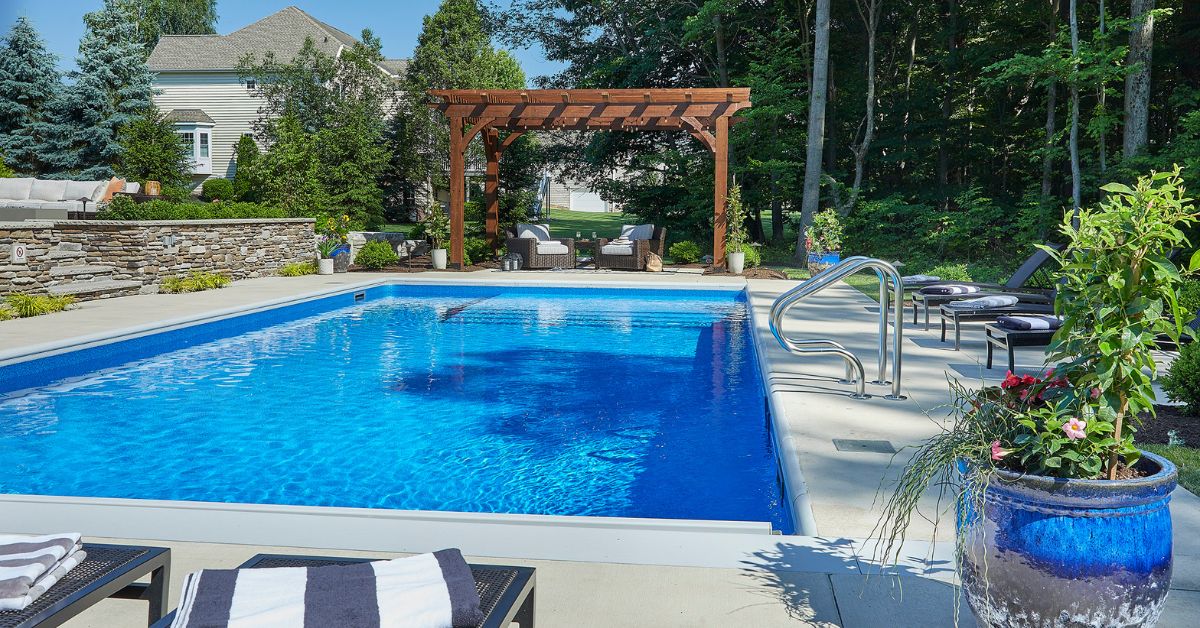
If you’re planning to install a pool on your property, the last thing you want its design to feel like is an afterthought. Strong planning connects the pool to the home, the landscape, and the way the space will support daily life.
Swimming pool design and construction works best when the pool, patio, plantings, drainage, lighting, and traffic flow come together in one clear plan. That approach improves how the space looks, how it functions, and how it holds up over time. Browse this guide to help you learn how to integrate your pool into your landscape design for a seamless feel.
Start With the Full Property Plan
A seamless design starts with the entire site, not just the pool shell. The layout should reflect the size of the yard, the shape of the home, the slope of the property, and the way your family will use the outdoor space.
For many homeowners, the best result comes from treating the project as one coordinated outdoor investment. That means evaluating where the pool belongs in relation to patios, dining areas, shade structures, lawn space, and planting beds before construction begins.
Match the Pool to the Architecture
The pool should support the style of the home and surrounding hardscape. Clean geometric lines often complement modern and transitional homes, while softer curves may fit more traditional or naturalistic settings.
Material choices also shape that connection. Coping, pavers, retaining walls, and adjacent surfaces should work together so the pool area feels consistent with the rest of the property.
When the architecture and outdoor materials align, the pool becomes part of the overall design language. That consistency creates a more polished appearance and helps the backyard feel complete.
Use Layout To Improve Flow
Good pool placement supports movement through the yard. Homeowners should be able to move easily from the house to the pool, from the pool to seating areas, and from active areas to quieter spaces.
A strong layout creates clear destinations without making the yard feel crowded. It also helps define where people gather, where children play, and where guests can relax away from the water.
Sightlines matter just as much as walking paths. Look out at your proposed pool area from key points in the yard, especially from windows, doors, and primary outdoor living areas, to get a better sense of flow.
Plan for Elevation, Grading, and Drainage
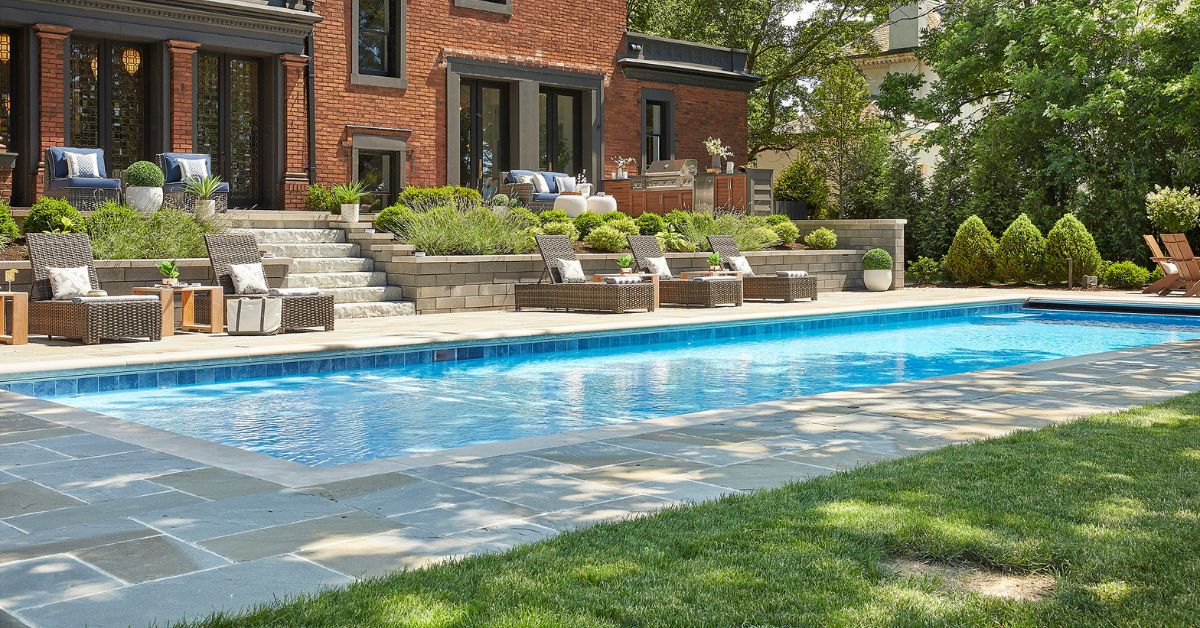
Grade changes affect every part of pool integration. If the yard slopes, the design may need retaining walls, steps, terracing, or carefully planned transitions that stabilize the space and keep it usable.
Drainage deserves equal attention. Water should move away from the pool deck, away from the house, and away from landscape beds that could suffer from washout or standing water.
Ignoring drainage can damage hardscape, stress plantings, and create maintenance problems that continue long after the project is finished. A coordinated design and construction process helps prevent those issues before work begins.
Connect Hardscape Areas With Purpose
Your surrounding pool patio should support real use, including entry and exit, lounging, dining, entertaining, and circulation. Too little hardscape limits function. Too much hardscape can make the yard feel harsh and oversized, especially if it lacks shade, planting, or visual contrast.
The best designs balance open surfaces with softer elements. That balance gives the space structure while keeping it comfortable and visually appealing.
Key hardscape zones often include:
- A primary deck for pool access and lounge seating
- A dining or entertainment area near the home
- Walkways that connect the pool to other outdoor features
- Transition spaces that reduce crowding around the water
Let Planting Soften the Space
Planting plays a major role in making a pool feel integrated into the landscape. Trees, shrubs, ornamental grasses, and perennials can soften hard edges, frame views, and add privacy without closing the space in.
Poolside plants need to tolerate heat, reflected light, and changing moisture conditions while staying manageable throughout the season. Low-litter plants perform better around water because they reduce cleanup and help keep the pool area neat. Placement also matters, since large root systems, excessive shade, or overhanging branches can create avoidable problems.
Create Privacy Without Making the Yard Feel Closed Off
Privacy is one of the most common goals in pool design. The challenge is creating separation from neighbors without making the yard feel tight or boxed in.
Layered solutions provide the most privacy. Plantings, fencing, decorative walls, and grade changes can all contribute to a more private setting while still preserving openness and light.
The right privacy strategy depends on the property. Some yards benefit from evergreen screening, while others need a combination of structures and landscape elements to block views from specific angles.
Use Lighting To Tie Everything Together
Lighting extends how long you can use the outdoor space and improves safety around the pool. It also helps connect the pool to nearby patios, walkways, and planting beds after dark.
A thoughtful lighting plan highlights steps, edges, and transitions without overpowering the yard. It should also reinforce the mood of the space, whether the goal is relaxed evening use or a more active entertainment setting.
Choose Materials That Hold Up and Look Consistent
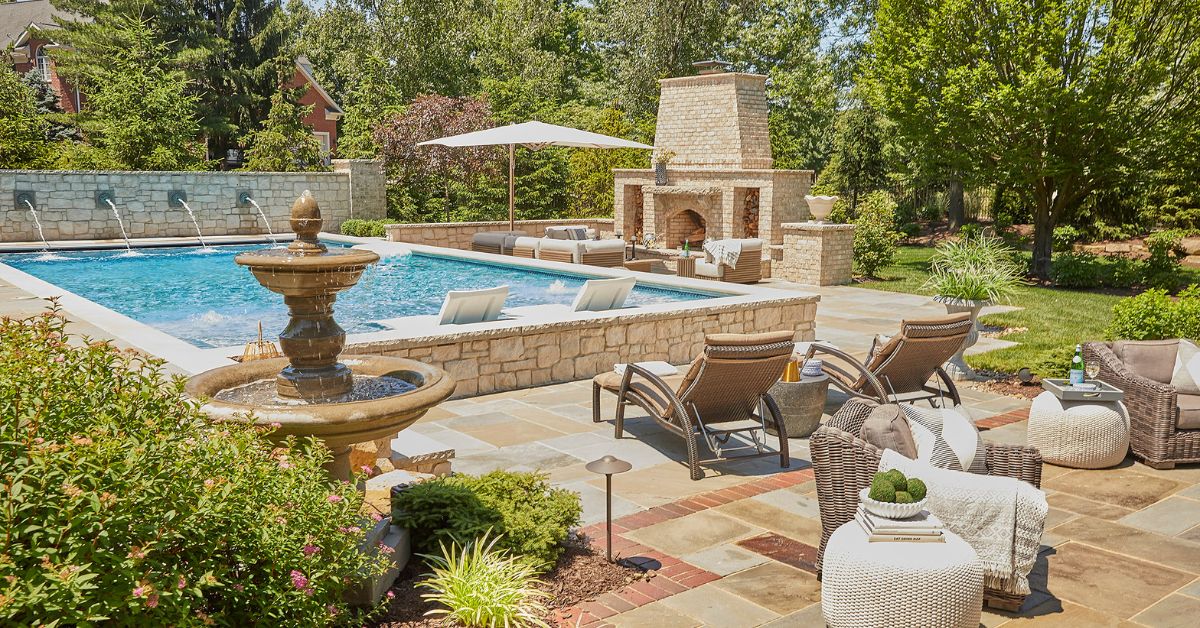
Materials around a pool need to perform under demanding conditions. Surfaces should handle moisture, temperature changes, regular foot traffic, and ongoing exposure to sun and pool chemicals.
At the same time, those materials should support the design style of the home and landscape. Texture, color, scale, and finish all influence whether the space feels cohesive or disconnected.
Consistency matters more than exact matching. The goal is to select materials that relate well to one another and create a finished look across the entire outdoor space.
Work With One Unified Design Vision
Swimming pool design and construction often involves many moving parts, from excavation and utilities to masonry, planting, and finish work. A unified plan helps each part support the next so the result feels cohesive instead of pieced together.
That coordination reduces friction during construction and improves the final appearance of the property. It also helps homeowners make decisions with the full project in mind rather than reacting to isolated choices along the way.
When pool design and landscape construction move forward together, the backyard gains more than a pool. It gains structure, usability, and a clear sense of purpose.
Bring the Backyard Together With Expert Design
A seamlessly-integrated pool should enhance your entire property, not compete with it. Careful planning, strong material choices, smart grading, and cohesive planting all help create an outdoor space that looks finished and functions beautifully.
Vizmeg Landscape designs and builds outdoor environments that connect pools, hardscapes, and landscaping into one unified plan. For homeowners ready to create a more functional and refined backyard, contact Vizmeg Landscape to explore professional design services.
Leave a Reply