

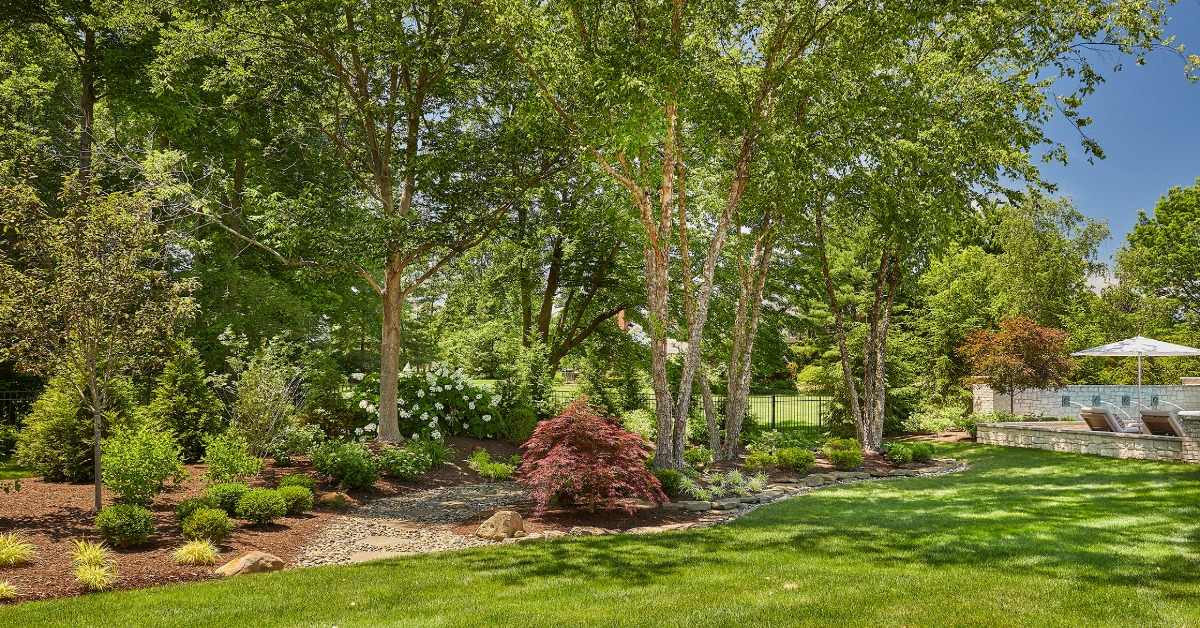
A customer can form an opinion about a property before anyone opens the front door. A clear path from the parking lot makes arrival easy. A planted courtyard gives employees somewhere to spend lunch. When the grounds work well in these everyday moments, people notice the care that went into the property.
The best commercial landscaping trends solve problems people already encounter on-site. A retail center might need a more welcoming entrance, while an office campus could benefit from shade where employees already take their breaks. Exploring these commercial landscaping trends can help property owners and managers decide where an upgrade will make the greatest difference.
1. Entrances That Make the Next Step Obvious
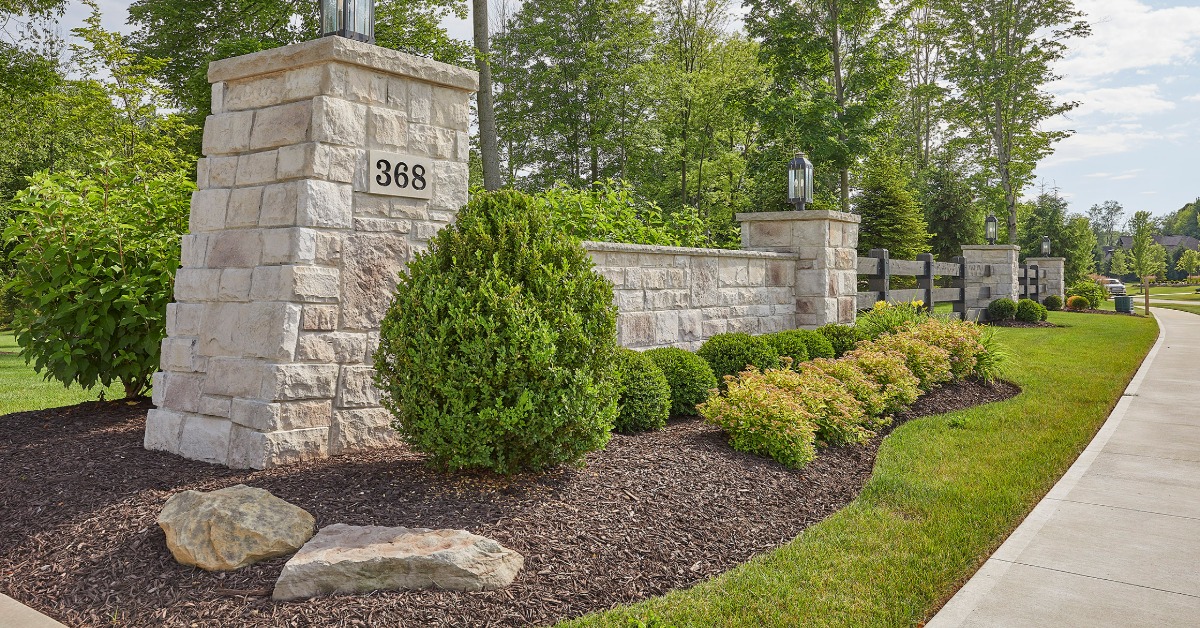
Walk from the visitor parking area to the front door as if you’ve never been there. If two doors look equally prominent, use planting beds and paving to draw attention to the main approach. Repeat a material or shape from the building façade to make the entrance feel like part of the property.
Planters can do a lot with a small footprint, especially at storefronts that have little room for planting beds. Give them enough presence to frame the door without narrowing the path. Before settling on their placement, watch what happens at the busiest time of day. A spot that looks generous before opening may feel cramped during a lunchtime line.
2. Native Plantings With a Clean, Intentional Edge
Native plants give commercial grounds a regional character. On a sunny stretch, a broad sweep of little bluestem can soften the look of a long parking lot. Choose plants based on the light and soil in each part of the property. A median that dries quickly calls for a different plant palette than a low bed that holds moisture.
Repeat plant groupings along the frontage so the design reads clearly from the road. A crisp border helps frame the looser shapes of native grasses and flowering perennials. Ask the maintenance team how the beds will look after peak bloom and what kind of care young plantings need through their first growing season.
3. Outdoor Spaces People Actually Use
An outdoor amenity works best when it serves a recognizable purpose. An office courtyard can offer a shady spot for lunch or a quick meeting. At a shopping center, a bench near the pickup area gives someone a place to wait. Start with the activity and let it guide the layout and furnishings.
Watch where people already pause and where the afternoon sun falls before positioning seating. A table that looks inviting at nine in the morning may sit empty at noon if the pavement radiates heat. Leave room to move around tables when people pull out chairs, and consider how the maintenance crew will reach nearby beds.
4. Stormwater Features That Improve the View
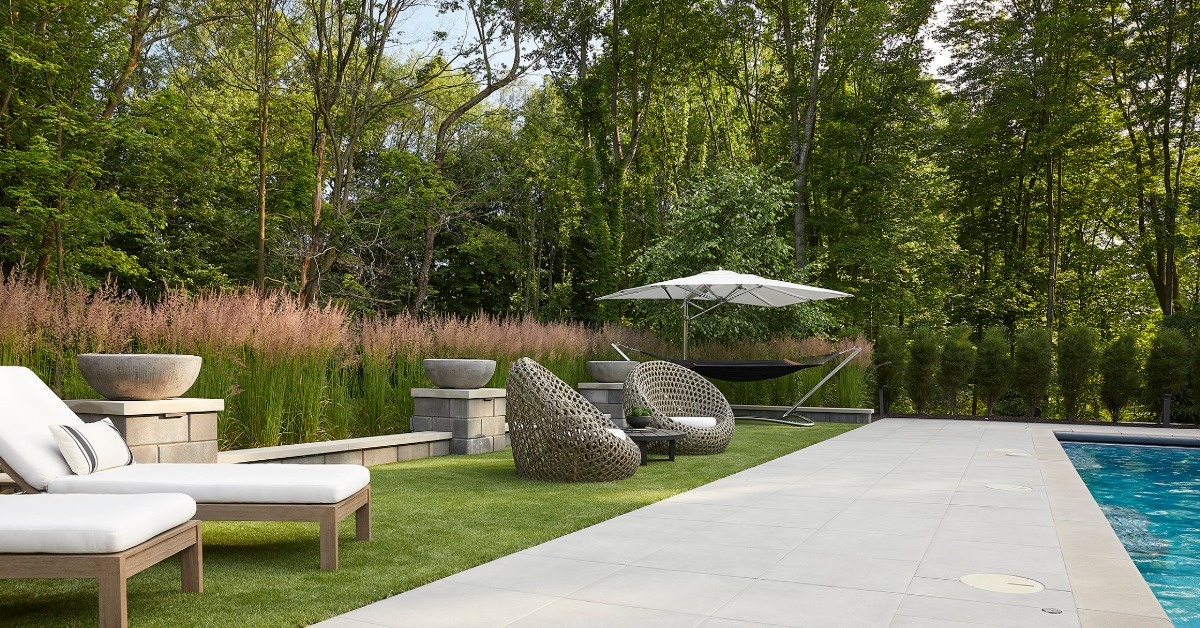
A rain garden can turn a low spot into a planted feature where runoff collects temporarily. On suitable sites, permeable pavers allow rain to pass through the surface into a stone base below.
Both approaches can make stormwater management part of the landscape design. Working with a professional landscaper provides expert insight into how water moves across the property before choosing either option.
A walk after a steady rain can give your landscaper a better starting point. Note where water pools and trace any visible flow from downspouts or pavement. Bring photos to the site meeting, especially if a puddle keeps showing up near a walkway. Those observations help the team investigate the source before recommending a layout.
5. Smart Irrigation That Responds to Conditions
A weather-based controller uses local conditions to adjust watering schedules. It can help a property avoid running sprinklers on the same fixed schedule through rainy weeks and dry spells. Set up separate zones for areas with different needs, such as a sunny lawn and a shaded bed, so each can receive an appropriate amount of water.
Pair smarter scheduling with a walkthrough while the system runs. A controller can change watering times, but a site check is needed to spot a spray head that waters the sidewalk. Ask your landscape team to review coverage as plants mature. A shrub that starts out below a spray head can block its reach as it grows.
6. Lighting That Guides Visitors After Dark
A lighting plan should start with where someone needs to go after sunset. Walk from the parking area to the main door and look for changes in grade or turns that are hard to make out. Lighting along the route can help visitors read the layout, while a fixture at the entrance can make the destination easier to find.
Once the paths are clear, use accent lighting sparingly. A softly lit courtyard tree can give people inside the building an appealing view after dark. Check fixture placement from both sides of the glass. A fixture that looks subtle from the sidewalk can throw glare into a ground-floor office or restaurant booth.
7. Seasonal Color Where It Has the Most Impact
Rotating a few displays can refresh the property throughout the year. Focus on locations people pass regularly, such as the main sign or lobby doors. Echo a color from the building or signage to tie the display to its surroundings. Keep permanent plantings around it so the beds retain their shape between seasonal changes.
Before adding another display, check whether the maintenance team can reach it easily for watering and changeouts. One generous planter at a busy entrance can make a stronger impression than small pots spread across several doors. If the property hosts a major event, work backward from the date to give the display time to fill in.
8. Designs That Account for Year-Round Maintenance
Plan for how the grounds will function through leaf drop and snow season. For a commercial landscape in Hudson, OH, that could mean placing shrubs away from snow storage areas and choosing edging that crews can work around.
Use the site walkthrough to discuss maintenance before committing to a layout. Walk it with the people who know which areas need extra attention. Ask them to flag the following details.
- Where plows can pile snow without covering signs or planting beds
- Whether mature shrubs will leave walkways clear
- How crews will reach high-visibility planters for routine care
- Which materials make sense where maintenance equipment passes frequently
Use those observations to estimate what routine upkeep will take. A useful proposal spells out who will tend new plantings through their first season and when crews will return for seasonal work. With that information, property managers can compare designs against the actual cost of caring for them.
Make a Lasting Impression With Your Landscape
The commercial landscaping trends worth investing in are the ones that improve how people use your property. Start where visitors or tenants feel the difference most, whether that means making the main entrance easier to find or giving employees a shaded place to take a break.
Vizmeg Landscape helps businesses across Northeast Ohio build and maintain outdoor spaces that look inviting through every season. With more than 30 years of experience, our team can help you choose upgrades that fit your property and maintenance needs. Contact Vizmeg Landscape to schedule a site walkthrough and explore the best landscaping options for your property.
Leave a Reply