

Busy homeowners often want an outdoor space that looks polished without adding more work to an already full schedule. A low-maintenance landscape design creates a yard that stays attractive, functional, and easier to manage throughout the year.
Vizmeg Landscape serves homeowners who want outdoor spaces that reflect long-term value, comfort, and visual appeal. We’ll walk you through several low-maintenance landscaping ideas and tips for busy homeowners and help you achieve them through our designs.
Why Low-Maintenance Design Matters
A well-designed landscape should support daily life instead of complicating it. For busy owners, that means reducing mowing, trimming, watering, seasonal cleanup, and ongoing repairs without sacrificing the overall look of the property.
Low-maintenance design also supports better long-term performance. Strong plant selection, efficient layout choices, and durable materials help reduce costly updates while keeping the yard neat and usable across changing seasons.
Start With a Practical Landscape Plan
Low-maintenance landscapes begin with a clear design plan that matches the property and the lifestyle of the homeowner. A rushed installation often leads to wasted space, plants in the wrong locations, and features that require more upkeep than expected.
A professional design plan organizes the yard around function, drainage, sun exposure, and traffic flow. That approach helps create a landscape that works efficiently from the start and continues to perform over time.
Choose Plants That Fit the Site
Plant selection has a direct effect on maintenance needs. Plants that match the soil, sunlight, drainage, and climate conditions of the site tend to stay healthier and require less attention.
Native and regionally adapted plants often make strong choices for landscapes. Once established, these plants usually need less watering, fewer chemical inputs, and less replacement, which makes the entire landscape easier to manage.
Limit High-Maintenance Planting Beds
Large flower beds filled with seasonal color can look appealing, but they often require frequent upkeep. Deadheading, dividing, replanting, edging, and mulching can quickly add to the workload.
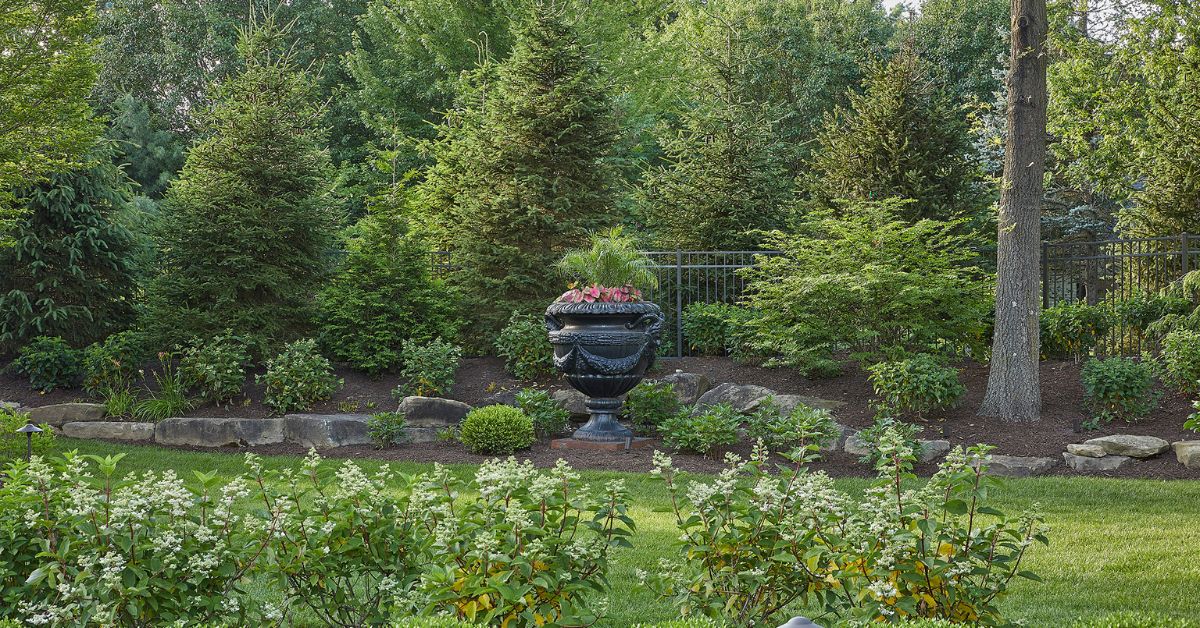
A better option is to use well-defined planting areas with a smaller number of reliable plant varieties. Shrubs, ornamental grasses, and hardy perennials can provide structure and seasonal interest with less day-to-day maintenance.
Use Mulch to Reduce Weeds and Watering
Mulch plays an important role in low-maintenance landscape design. It helps retain soil moisture, regulate temperature, and reduce weed growth, which lowers the amount of time spent on watering and cleanup.
Organic mulch also creates a cleaner, more finished appearance around planting beds. With proper installation and routine refreshing, mulch supports healthier plants while simplifying landscape care.
Reduce Lawn Where It Makes Sense
A large lawn often creates one of the biggest maintenance demands on a property. Mowing, fertilizing, edging, watering, and repairing worn areas can take significant time during the growing season.
Reducing turf in low-use areas can make the yard more efficient. Groundcovers, planting beds, decorative stone, and expanded patio spaces can all lower maintenance demands while improving the visual structure of the landscape.
Incorporate Hardscapes for Long-Term Function
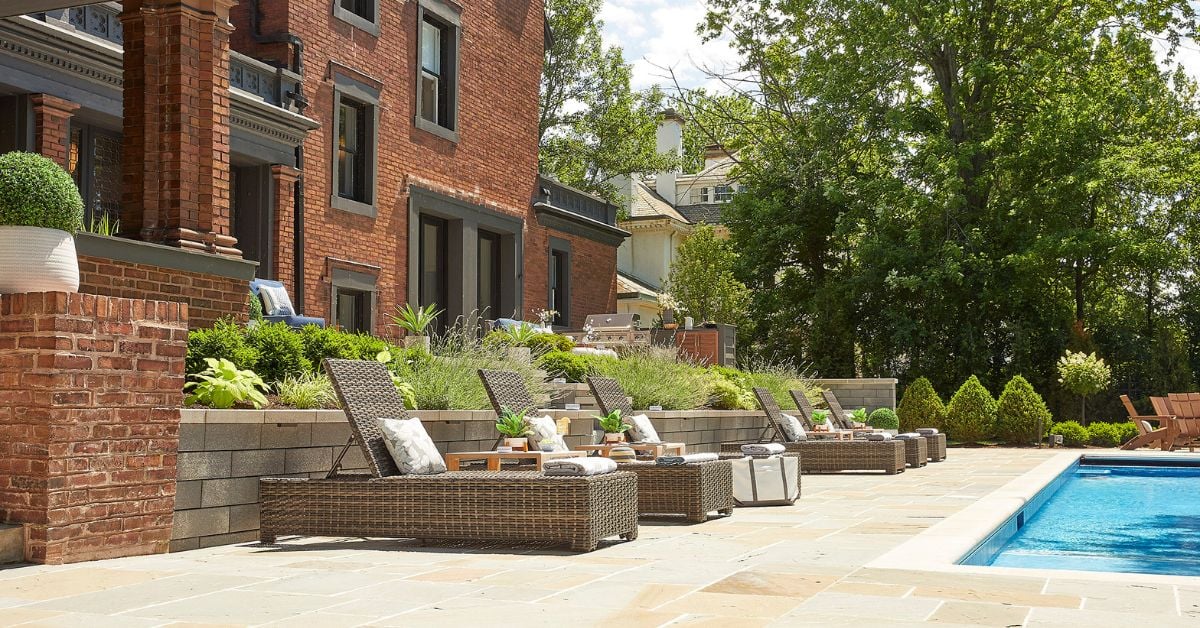
Hardscape features help create outdoor spaces that stay useful and attractive with limited upkeep. Patios, walkways, retaining walls, and seating areas reduce the amount of plant material and lawn that needs regular care.
Durable hardscape materials also support better traffic flow and improve organization across the property. A well-placed patio or path can make the yard feel more complete while reducing muddy spots, erosion, and worn turf.
Focus on Durable Materials
Material selection affects both appearance and maintenance over the long term. Low-quality edging, unstable pavers, and weak drainage solutions often lead to repeated repairs and unnecessary frustration.
Durable stone, quality paver systems, and properly installed borders offer stronger long-term value. When built correctly, these features hold their shape, support drainage, and require far less intervention over the years.
Simplify Irrigation Needs
Busy owners benefit from landscapes that do not depend on constant watering. Plant choices should support efficient water use, especially after the landscape becomes established.
When irrigation is needed, a well-designed system can help deliver water where it matters most. Smart scheduling reduces waste and support healthier plants with less manual effort.
Create Clean Bed Lines and Defined Spaces
A landscape with clear structure is easier to maintain than one with loose edges and undefined zones. Crisp bed lines, intentional transitions, and a logical layout simplify mowing, trimming, and seasonal cleanup.
Defined spaces also improve the look of the property. A yard that feels organized tends to appear cleaner and more refined, even when the planting palette remains simple.
Plan for Year-Round Appeal
A low-maintenance landscape should still look complete throughout the year. That means building interest through evergreen structure, ornamental grasses, hardscape elements, bark texture, and seasonal variation in foliage.
A design with year-round appeal prevents the property from feeling empty during colder months. It also helps maintain curb appeal, which supports both homeowner satisfaction and property value.
Address Drainage Early
Drainage problems often create maintenance problems. Standing water, erosion, plant decline, and muddy turf can turn even a simple landscape into a recurring source of work.
A thoughtful landscape design accounts for grading, runoff, and water movement before installation begins. Correcting drainage through design helps protect plants, hardscapes, and the overall condition of the yard.
Match Outdoor Living Spaces to Real Use
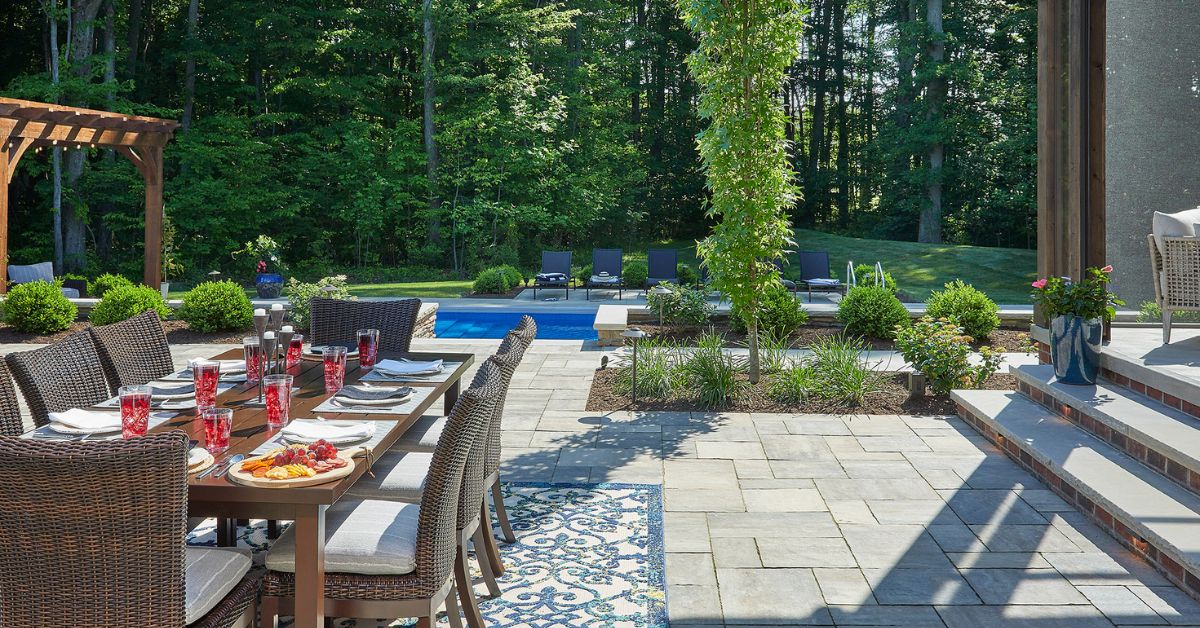
Busy owners often need landscapes that support family life, entertaining, and quiet relaxation without requiring constant upkeep. That means designing usable spaces that fit the actual habits of the household.
Patios, pool areas, and gathering spaces should feel practical and easy to maintain. Materials, layout, and surrounding plantings should support comfort and durability rather than adding unnecessary maintenance tasks.
Professional Design Saves Time Over the Long Term
Low-maintenance landscaping is not about removing every feature from the yard. It is about making better choices from the start so the finished space looks polished while demanding less time and effort.
Professional planning helps prevent common problems such as overcrowded plantings, poor drainage, excessive lawn area, and mismatched materials. For homeowners considering landscape design services in Hudson, OH, a strategic design process can lead to a yard that stays functional, attractive, and easier to care for in every season.
A Smarter Approach to Landscape Investment
A low-maintenance landscape can still feel upscale, welcoming, and save time for busy homeowners. The right design combines beauty, durability, and efficiency in a way that supports modern schedules and long-term goals.
Vizmeg Landscape creates outdoor spaces that balance strong design with practical performance for homeowners throughout the region. For homeowners ready to build a landscape that saves time and strengthens curb appeal, Vizmeg Landscape can provide the planning, craftsmanship, and support needed to bring that vision to life.
Leave a Reply