

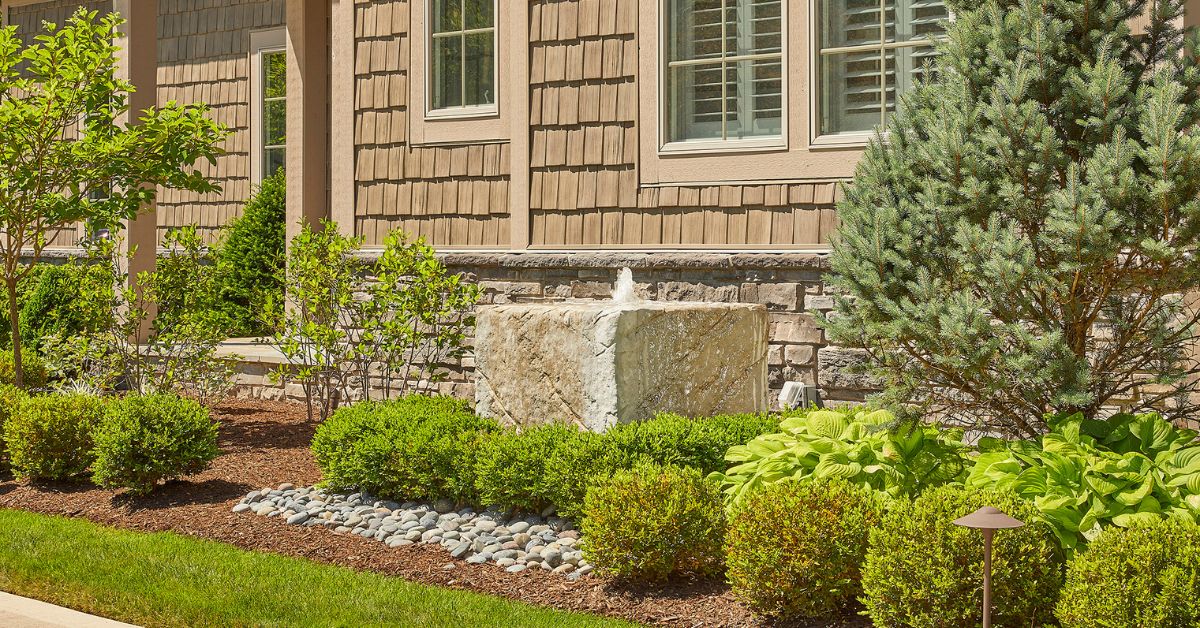
Sustainable landscaping transforms outdoor spaces into thriving ecosystems that benefit both homeowners and the environment. By working with nature rather than against it, you can create a landscape that conserves resources, supports local wildlife, and requires less maintenance over time. More than just an eco-friendly trend, sustainable landscaping represents a thoughtful approach to outdoor design that reduces water consumption, eliminates harmful chemicals, and creates beautiful, resilient spaces that enhance property value.
The principles of sustainable landscaping go beyond simply choosing native plants. They encompass everything from soil health and water management to material selection and maintenance practices. Homeowners who embrace these principles often discover that their landscapes become more vibrant and easier to care for while simultaneously reducing their environmental footprint. The initial investment in sustainable practices pays dividends through lower water bills, reduced maintenance costs, and landscapes that grow more beautiful with each passing season. Here’s your complete guide to sustainable landscaping.
Planning Your Sustainable Landscape
Successful sustainable landscaping starts with careful assessment of your property’s unique conditions. Walk your grounds at different times of day to observe sun patterns, noting which areas receive full sun, partial shade, or complete shade. Test your soil to understand its composition, pH levels, and drainage characteristics. These factors will guide all subsequent decisions regarding plant selection and placement.
Set clear priorities for your landscape transformation.
- Do you want to minimize water usage?
- Create habitat for pollinators and songbirds?
- Grow your own vegetables?
- Establish outdoor entertainment spaces?
Your goals will shape your design choices and help you allocate resources effectively. Consider how your landscape can serve multiple purposes—a rain garden, for instance, manages stormwater runoff while providing visual interest and habitat.
Create a master plan that minimizes environmental impact through thoughtful design. Group plants with similar water needs together, place thirsty specimens near natural water sources, and position drought-tolerant varieties in areas that are difficult to irrigate. Design pathways and patios to allow rainwater to percolate into the ground rather than running off into storm drains. A well-conceived plan saves time, money, and frustration during implementation.
Choosing the Right Plants
Native plants form the foundation of sustainable landscaping because they have evolved alongside local insects, birds, and wildlife over thousands of years. These species thrive in regional climate conditions without requiring excessive water, fertilizer, or pest control. Ohio homeowners might select purple coneflower, black-eyed Susan, or serviceberry—plants that provide food and shelter for native fauna while requiring minimal intervention.
Understanding plant needs and growth habits prevents costly mistakes and future headaches. Research mature size, growth rate, and spacing requirements before planting. A shrub that looks modest at the nursery may grow to block windows or crowd walkways within a few years. Consider seasonal interest too—combine plants that bloom at different times to provide year-round visual appeal. Make sure you layer vegetation vertically with groundcovers, perennials, shrubs, and trees to create depth and complexity.
Avoid invasive species that can escape cultivation and disrupt natural ecosystems. Plants like burning bush, Japanese barberry, and Norway maple may seem attractive, but they spread aggressively and outcompete native vegetation. Choose well-behaved alternatives that provide similar aesthetic benefits without ecological consequences.
Water Conservation Strategies
Efficient irrigation systems deliver water directly to plant roots where it’s needed most. Drip irrigation and soaker hoses reduce evaporation compared to conventional sprinklers. Install systems with zones that account for different watering needs—shade-loving plants require less frequent irrigation than sun-worshippers. Add timers or smart controllers that adjust watering schedules based on weather conditions and soil moisture levels.
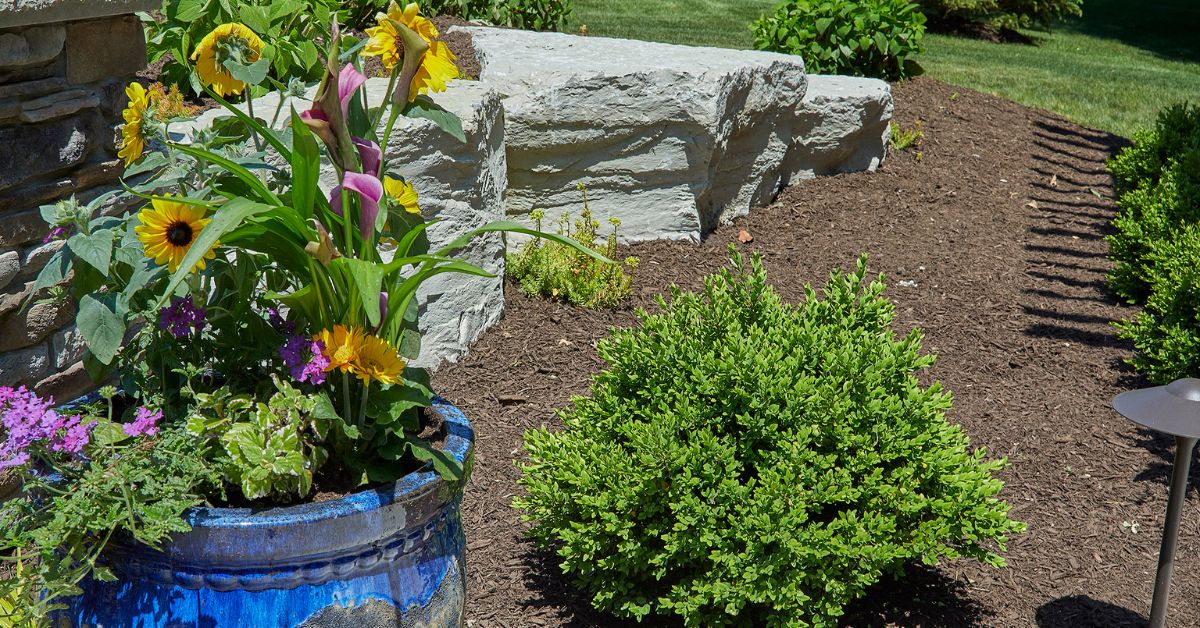
Mulch is one of the most effective water-conservation tools available. A two- to four-inch layer of organic mulch suppresses weeds, moderates soil temperature, and dramatically reduces moisture evaporation. Wood chips, shredded bark, or leaf compost break down slowly, enriching soil as they decompose. Keep mulch a few inches away from plant stems and tree trunks to prevent rot and pest problems.
Rainwater harvesting captures precipitation for later use during dry periods. Rain barrels collect water from downspouts, providing free irrigation for gardens and containers. More elaborate systems with underground cisterns can store thousands of gallons for landscape use throughout the summer. Check local regulations regarding rainwater collection before installing larger systems.
Soil Health and Composting
Healthy soil grows healthy plants. Most soil contains varying proportions of sand, silt, and clay, along with organic matter and living organisms. Amend poor soil with compost to improve structure, drainage, and nutrient availability. Clay soil becomes more friable with organic matter additions, while sandy soil gains improved water retention.
Composting transforms kitchen scraps and yard waste into nutrient-rich soil amendment. Layer green materials (grass clippings, vegetable scraps) with brown materials (dry leaves, shredded paper) in a compost bin or pile. Keep the pile moist and turn it occasionally to speed decomposition. Within several months, you’ll have finished compost to spread around plants or incorporate into new planting beds.
Synthetic fertilizers provide quick nutrient boosts but can harm beneficial soil organisms and pollute waterways through runoff. Chemical pesticides kill beneficial insects along with pests, disrupting natural pest control mechanisms. Build soil fertility through compost applications, and manage pests through cultural practices, beneficial insects, and targeted organic treatments when necessary.
Creating Wildlife Habitats
Transform your landscape into a haven for pollinators, birds, and beneficial insects by selecting plants that provide food throughout the growing season. Early-blooming species feed pollinators emerging from winter dormancy, while fall-flowering plants help them prepare for cold weather. Include host plants that caterpillars need—monarchs require milkweed, swallowtails depend on parsley family members, and native oaks support hundreds of moth and butterfly species.
Birds need water for drinking and bathing, so add birdbaths, small ponds, or recirculating fountains. Provide shelter through dense shrubs, brush piles, and nest boxes appropriate for the species you want to attract. Leave some areas of your landscape a bit wild—fallen logs, standing dead trees (if safe), and undisturbed leaf litter provide essential habitat for countless creatures.
Minimize pesticide use to protect the complex web of life in your landscape. Most insects cause no harm, and many provide valuable services like pollination and pest control. When problems arise, identify the culprit accurately and choose the least toxic solution. Often, simply tolerating minor damage or removing pests by hand solves problems without chemicals.
Sustainable Hardscaping Materials
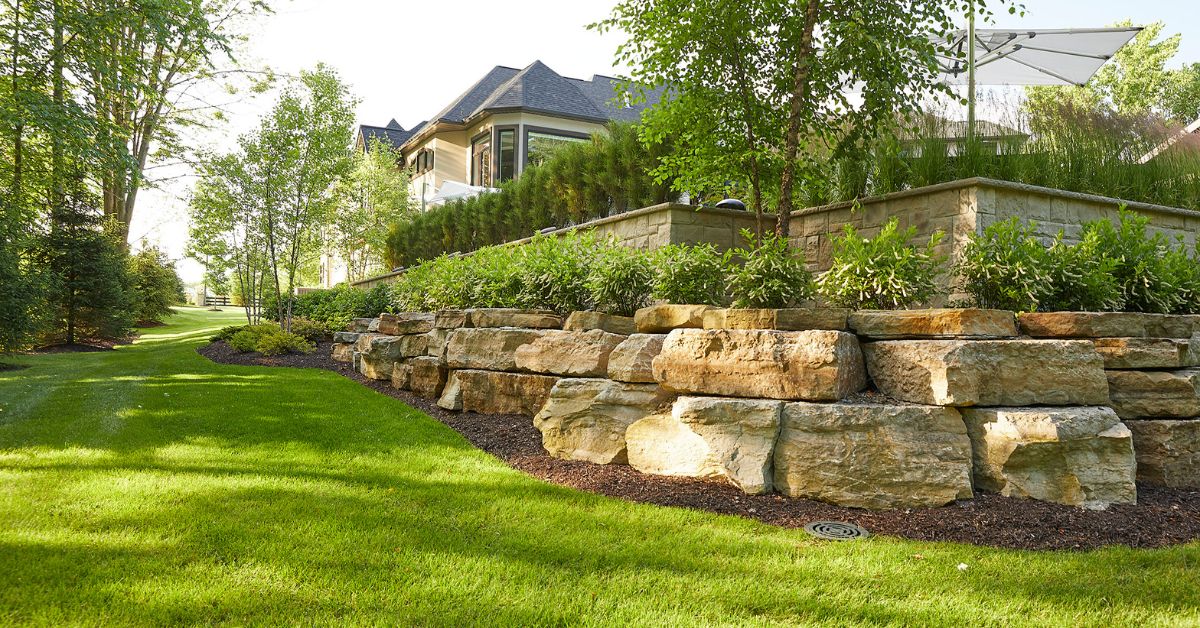
Hardscaping elements like patios, walkways, and retaining walls can be both beautiful and environmentally responsible. Source materials locally to reduce transportation impacts and support regional economies. Salvaged brick, reclaimed wood, and locally quarried stone offer character while minimizing environmental footprint. For those considering larger projects, working with experts in commercial landscaping in Hudson, Ohio, can provide access to sustainable material sources and installation techniques that homeowners might not discover on their own.
Permeable pavers allow rainwater to infiltrate the ground rather than contributing to stormwater runoff. These pavers come in various styles, from interlocking concrete to porous asphalt to traditional flagstone set in gravel. Permeable surfaces reduce flooding, filter pollutants, and recharge groundwater supplies.
Design hardscaping for longevity through quality materials and proper installation. Well-built features may cost more initially but last for decades with minimal maintenance. Consider the lifecycle impacts of materials—concrete requires significant energy to produce, while recycled plastic lumber diverts waste from landfills but may not biodegrade.
Maintenance Practices
Proper pruning maintains plant health and attractive form. Prune flowering shrubs after they bloom to avoid removing next season’s buds. Remove dead, diseased, or crossing branches from trees during their dormant season. Sharp, clean tools make precise cuts that heal quickly, reducing the risk of disease.
Control weeds through mulching, hand-pulling, and proper plant spacing rather than relying on herbicides. Dense plantings shade the soil and naturally outcompete weeds. Address weed problems when plants are small and easily removed. A few minutes of regular weeding prevents hours of work later.
Seasonal cleanup and mulching prepare landscapes for changing weather. Rake leaves from lawns but leave them in planting beds where they protect roots and feed soil organisms. Cut back perennials after a hard frost, or leave the seed heads standing to feed birds through winter. Refresh mulch in spring to maintain adequate depth for weed suppression and moisture retention.
Transform Your Landscape Into an Eco-Friendly Oasis
Sustainable landscaping creates outdoor spaces that thrive with less water, fewer chemicals, and lower maintenance while supporting local ecosystems and wildlife. The practices outlined here work together to build resilient landscapes that grow more beautiful and valuable with each passing year. Small changes accumulate into significant environmental benefits when multiplied across neighborhoods and communities.
Starting your sustainable landscaping journey may seem overwhelming, but professional guidance can simplify the process. Vizmeg Landscape brings over 30 years of experience transforming properties throughout Hudson, OH, and surrounding communities. Our expertise in both residential and commercial projects means we understand how to create landscapes that balance beauty, functionality, and environmental responsibility. Contact Vizmeg Landscape to discuss how sustainable landscaping can enhance your property while protecting the environment for future generations.
Leave a Reply