

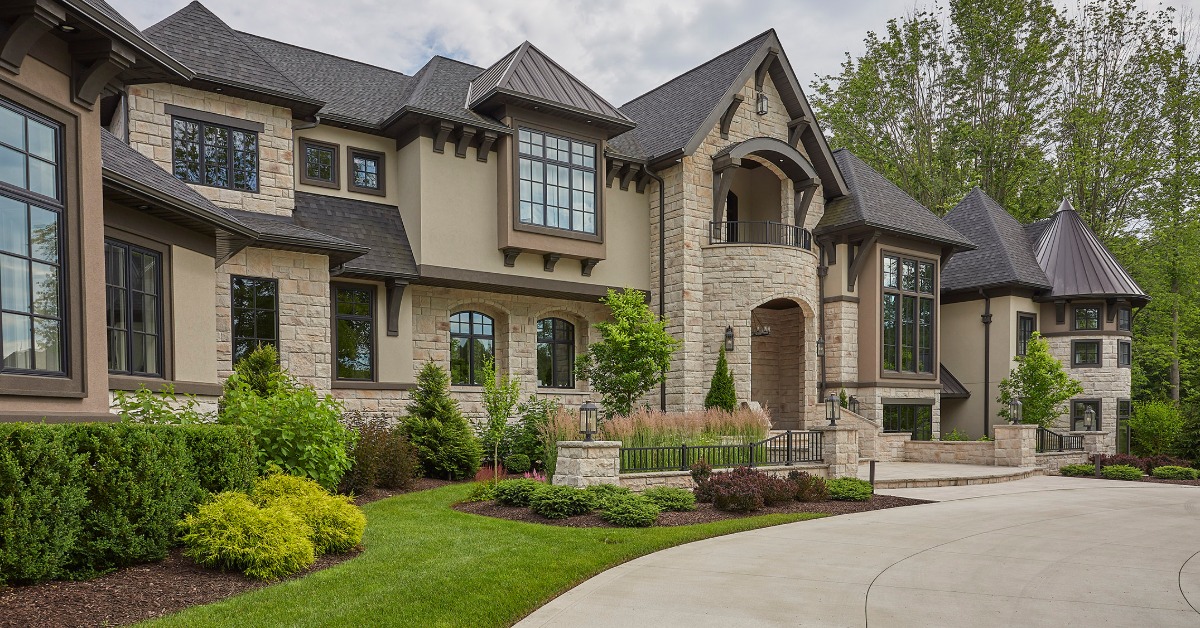
A landscaping project can completely change how a family uses and enjoys its property. A thoughtful design can create more room for entertaining, give children better places to play, and make everyday time outdoors more comfortable. However, great landscapes require more than picking attractive plants and choosing a patio material.
Planning before construction starts helps homeowners make decisions that support both their immediate needs and long-term goals. Every property offers different opportunities, from its existing terrain to how sunlight moves across the yard. Follow along to learn eight things you should consider before starting a landscaping project and turn that initial idea into an outdoor environment that works beautifully for years.
1. Decide How You Want To Use Your Outdoor Space
Start with function before focusing heavily on appearance. Think about what you currently do outside and what you wish your property allowed you to do more often. A family with young children may need open lawn areas, while homeowners who entertain frequently might prioritize a spacious patio and comfortable gathering areas.
Consider how those needs could change over the next several years. Children grow, entertaining habits evolve, and homeowners may eventually prefer outdoor spaces that require less physical upkeep. Planning for those changes can help the landscape remain useful without requiring another major renovation too soon.
A clear vision also helps landscape professionals make better design recommendations. Instead of simply adding attractive features, they can connect different parts of the property around the homeowner’s lifestyle.
2. Establish a Realistic Project Budget
A landscaping budget should reflect the full scope of the project, not just one or two highly visible features. Homeowners often focus first on patios, pools, outdoor kitchens, or planting beds, but preparation work and supporting infrastructure also affect the final investment. Grading, drainage, lighting, utilities, and access requirements can significantly influence costs.
Determine a comfortable investment range before moving deeply into design decisions. An experienced landscape professional can then help prioritize features and identify where higher-quality materials provide meaningful long-term benefits. This process also makes it easier to separate must-have elements from upgrades that homeowners could potentially add later.
Homeowners should consider long-term ownership costs alongside their initial construction budget. Some materials require more maintenance, and certain plant choices need frequent pruning or seasonal care. A well-planned budget accounts for how the landscape will perform after installation, not simply what it costs on construction day.
3. Understand the Conditions Around Your Property
Planning a successful landscape project starts with considering the property itself. Soil conditions and drainage patterns, along with other factors, can influence what professionals can build and where certain features will perform best. Ignoring those conditions can create unnecessary maintenance concerns.
Pay particular attention to water movement around the home. Poor drainage can create soggy lawn areas, damage plantings, or direct unwanted moisture toward structures. Landscape planning provides an opportunity to address those concerns while integrating drainage solutions naturally into the overall design.
Sun and shade patterns matter just as much. A patio that gets intense afternoon sun may need shade features, while a heavily shaded garden needs plants that thrive with limited direct sun. Working with the site’s natural conditions usually produces better results than continually fighting against them.
4. Think About the Entire Property as One Design
Homeowners sometimes approach landscaping as a collection of individual projects. They may install a patio one year and eventually decide they want an outdoor kitchen or pool. Without an overall plan, those individual improvements can compete for space or create expensive obstacles for future construction.
A comprehensive design connects each area so movement through the property feels natural. Walkways should lead people where they actually need to go, while patios should relate logically to doors and indoor living areas. Plantings can then soften hardscape elements and create transitions between different outdoor spaces.
Homeowners considering landscape design services in Hudson, OH can benefit from discussing both current priorities and future ideas during the planning stage. Even when a family does not build every feature immediately, professionals can reserve space and prepare the property for later additions.
5. Choose Features That Match Your Lifestyle
Outdoor living features should make life more enjoyable, not create additional responsibilities homeowners don’t want. A large garden may sound appealing, for example, but it may not suit someone who wants minimal weekend maintenance. The best landscape reflects how much time homeowners realistically want to spend caring for their property.
Before finalizing a plan, consider which features would provide the most everyday value. Depending on the household, priorities might include:
- A generous patio for family meals and entertaining
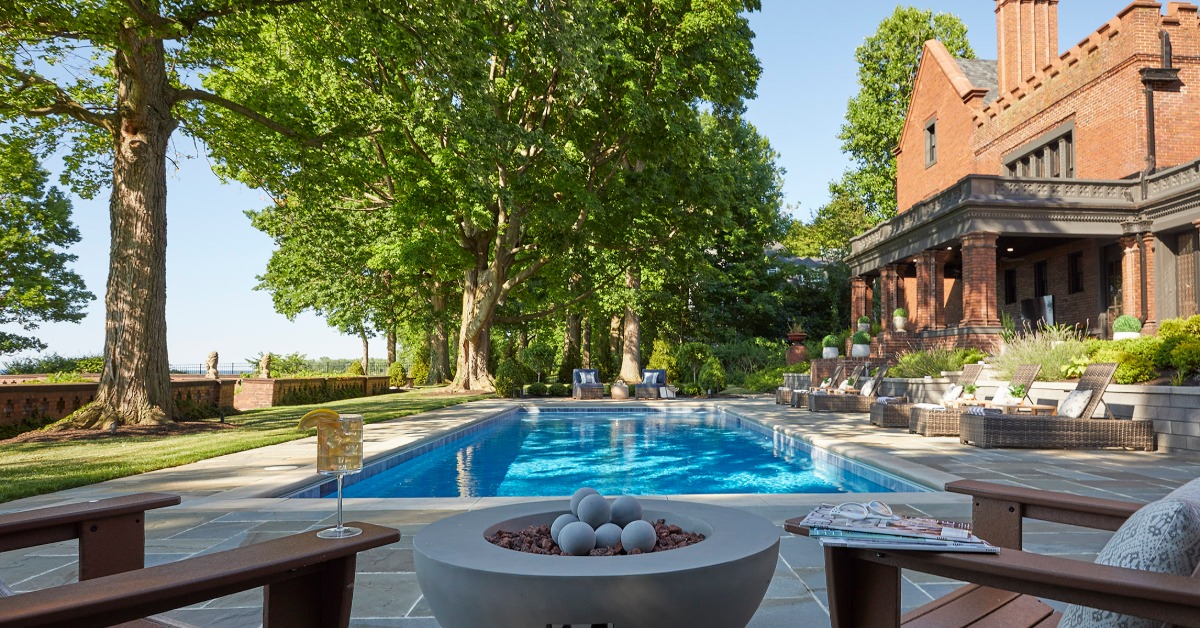
- A swimming pool with comfortable surrounding spaces
- An outdoor kitchen that keeps gatherings connected
- A fireplace or fire feature for cooler evenings
- Open lawn areas where children or grandchildren can play
- Low-maintenance planting beds that provide seasonal interest
Avoid choosing features simply because they appear in current design trends. A landscape represents a significant investment, so its major elements should support the household’s routines and preferences. Personalized planning creates spaces homeowners will actually use, not features that only look impressive in photographs.
6. Consider Maintenance Before Construction Starts
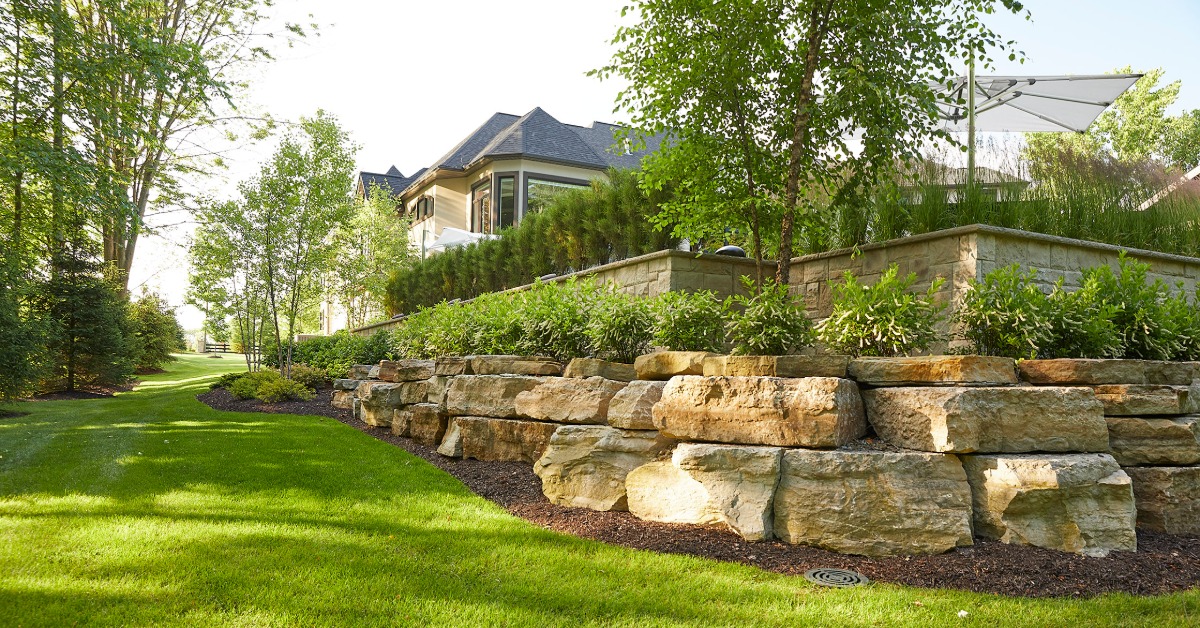
Every landscape needs some level of ongoing attention. Plants grow, lawns need care, seasonal conditions change, and hardscape surfaces occasionally require cleaning or maintenance. Understanding those needs before selecting materials and plants helps homeowners choose a landscape that fits their schedule.
Plant selection plays an especially important role in future maintenance. Professionals can recommend greenery that suits local conditions while supporting the homeowner’s preferred level of involvement. Strategic spacing also gives plants room to mature without constantly crowding nearby walkways or structures.
7. Plan for Privacy, Comfort, and Seasonal Use
A beautiful outdoor space provides limited value when homeowners never feel comfortable using it. Privacy from neighboring properties, shade during hot afternoons, and protection from prevailing winds can make outdoor areas much more inviting. These details deserve attention early because they often influence the placement of major landscape features.
Landscaping itself can provide effective privacy without making a property feel enclosed. Carefully placed trees and shrubs can soften views while adding color, texture, and seasonal interest. Structures, masonry, and other design elements can provide additional screening where homeowners need more immediate separation.
Consider how the family will use the landscape throughout the year. Fireplaces can make cool evenings more enjoyable, while covered areas provide relief from strong summer sun. Landscape lighting can extend usable hours after sunset and improve visibility along pathways, steps, and gathering areas.
Choose a Landscape Team That Can Handle the Full Scope
Complex residential projects often involve far more than plants and lawns. A complete outdoor environment may include masonry, carpentry, pools, patios, lighting, drainage, outdoor kitchens, and other specialized elements. Coordinating several independent contractors can make communication and scheduling much harder for the homeowner.
Vizmeg Landscape brings more than three decades of experience to residential landscape projects and has extensive in-house resources for complex properties. Our team includes skilled professionals who can handle landscape construction alongside features such as swimming pools and masonry.
Starting a landscaping project with a clear plan makes every decision that follows more productive. By considering the complete landscaping project scope at the start, homeowners can invest with greater confidence. Vizmeg Landscape can help turn those priorities into a customized outdoor space that adds enjoyment and lasting value to the property.
Leave a Reply