

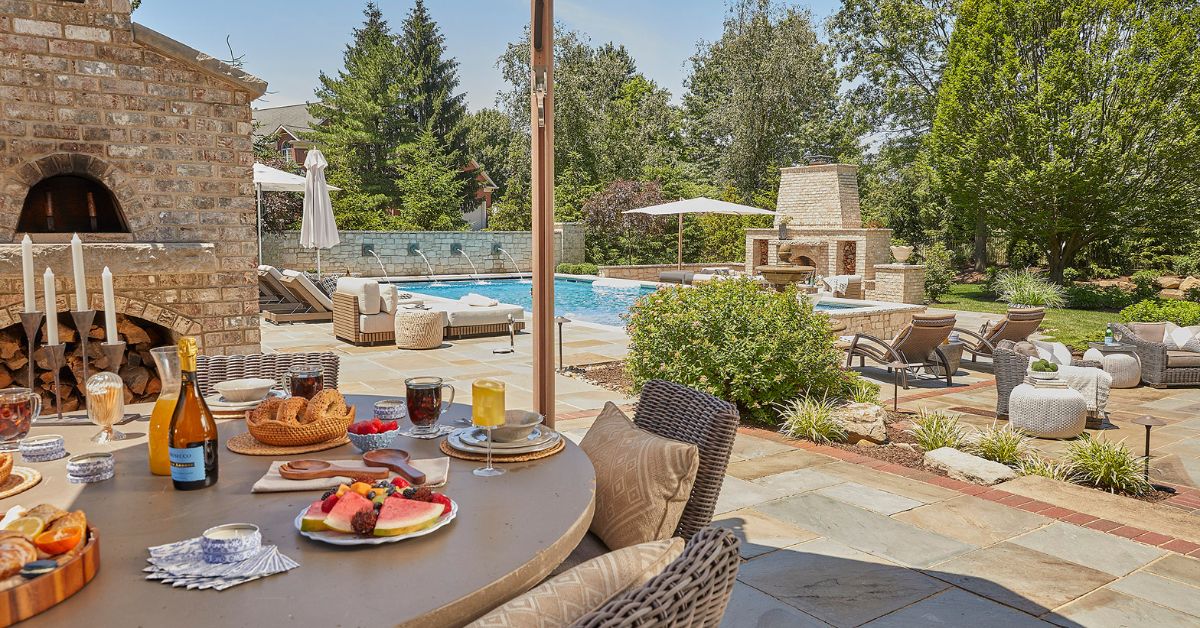
High traffic areas need landscape designs that can handle frequent use without losing structure or curb appeal. Residential homeowners and property owners often see these challenges near entryways, driveways, patios, playgrounds, commercial walkways, outdoor seating areas, and shared green spaces.
A strong landscaping plan balances appearance and functionality. A residential and commercial landscaping company can help select materials, plants, and layouts that support daily use while protecting long-term property value. Keep reading to learn landscaping tips for high-traffic areas landscapers use.
Start With a Clear Traffic Pattern
Every durable landscape starts with an understanding of how people move through the space. Foot traffic naturally follows the shortest, easiest route, so a design should work with those patterns instead of forcing awkward paths.
Signs of high-traffic areas include:
- worn turf
- compacted soil
- muddy areas
- trampled planting beds
These signs show where walkways or hardscape features may need to replace softer landscape elements. For commercial properties, traffic patterns may come from employees, customers, tenants, delivery drivers, and maintenance crews. For residential properties, traffic often centers around pathways or gathering areas such as backyard features.
Choose Hardscape Materials That Match the Use
High traffic areas often need hardscape surfaces that can handle repeated pressure, weather changes, and routine maintenance. Pavers, natural stone, concrete, and brick can all support active spaces when installed with the right base and edge restraints.
Material selection should account for drainage and load requirements. A walkway to a front door has different needs than a commercial courtyard or driveway border. Proper installation matters as much as the material itself. A compacted base and correct grading help prevent settling or pooling water from uneven surfaces.
Improve Soil Before Planting
Heavy foot traffic compacts soil and limits the movement of air, water, and nutrients. Plants struggle in compacted areas because roots cannot spread easily or access the support needed for healthy growth.
Before planting, loosen compacted soil and amend it with organic matter when appropriate. In some cases, soil replacement, aeration, or grading may need to happen before new plantings or ground cover can perform well.
Soil improvement gives plants a stronger start and reduces long-term maintenance problems. It also supports better drainage, which helps prevent muddy patches and plant decline.
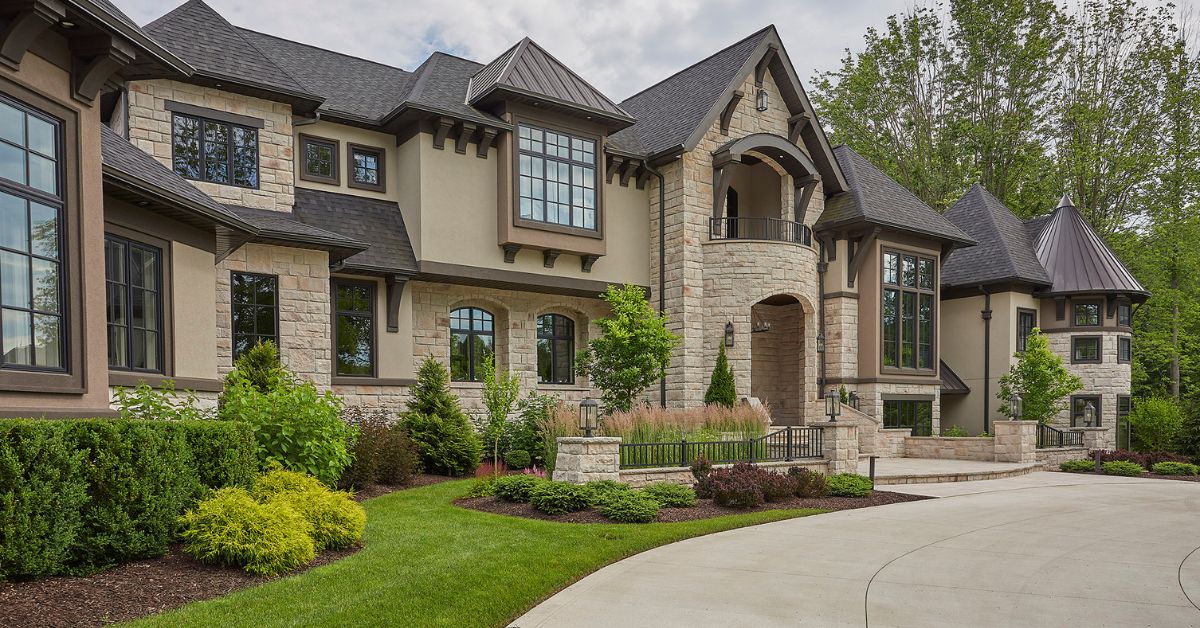
Select Durable Plants for Active Spaces
Plants in high traffic areas need to tolerate nearby movement, occasional contact, reflected heat, and changing moisture levels. Delicate plants may work in protected garden beds, but busy areas need tougher selections.
Durable plant choices may include ornamental grasses, hardy shrubs, low-growing ground covers, and perennials suited to the property’s sun and drainage conditions. Plant selection should also consider mature size, since overcrowded plants can spill into walkways and create maintenance concerns.
For residential properties, durable plants can frame patios and other gathering areas without blocking movement. For commercial properties, they can define entrances, parking areas, signage, and pedestrian routes while maintaining a polished appearance.
Use Ground Covers Where Turf Struggles
Turf often wears down in narrow side yards, shaded areas, pet routes, and spaces with constant foot traffic. When grass cannot recover, ground covers can provide a cleaner and more reliable solution.
Ground covers help stabilize soil and reduce erosion to soften the look of hardscape-heavy areas. The right choice depends on sunlight, drainage, maintenance goals, and how much direct foot traffic the area receives.
In some locations, mulch or a combination of stepping stones and planting may work better than grass. These options can reduce muddy spots and keep the landscape looking intentional.
Plan for Drainage Early
High traffic areas often expose drainage issues quickly. Water that collects near paths, patios, turf, or planting beds can create muddy surfaces, slippery conditions, and plant health problems.
A landscape design should move water away from structures and heavily used routes. Grading, drains, permeable pavers, swales, and properly placed plant beds can all support better water management. Drainage also affects winter performance in colder climates. Poor drainage can lead to ice buildup and ongoing maintenance concerns during freeze and thaw cycles.
Protect Planting Beds From Foot Traffic
Planting beds near walkways and other high-traffic areas often need physical definition. Without clear borders, people may step into beds, compacting soil or spreading mulch onto hardscape surfaces.
Edging, low walls, raised planters, boulders, and strategic plant placement can guide movement and protect vulnerable areas. These elements also create a cleaner appearance and reduce routine cleanup.
Match Turf Choices to Real Use
Some high traffic areas still need lawn space, especially around homes and shared green spaces. In those cases, turf selection and maintenance planning make a major difference.
Grass type should match the region, sunlight, soil conditions, and expected use. Properties with guests or commercial activity may need a more durable turf strategy than decorative lawn areas.
Add Clear Routes Through Busy Areas
Landscapes perform better when people can move through them comfortably. Clear routes reduce wear on turf, protect plant beds, and improve safety for guests, residents, employees, and visitors.
A strong route plan may include:
- Main walkways that connect key destinations
- Secondary paths for service access
- Stepping stones through garden or lawn areas
- Wider paths near entrances and gathering spaces
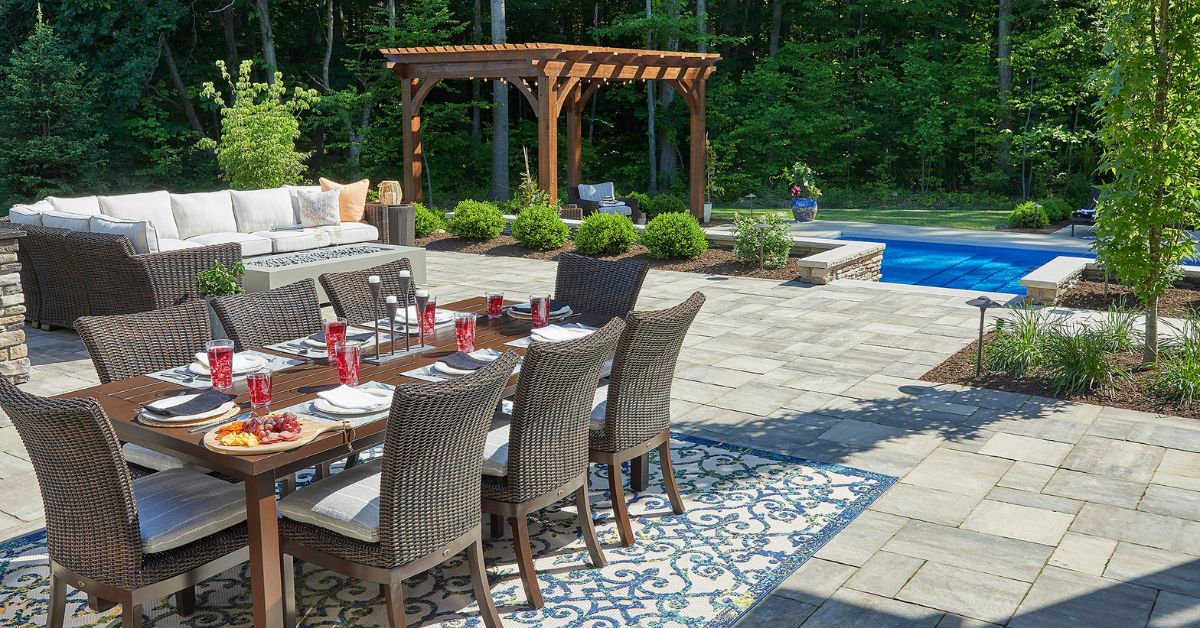
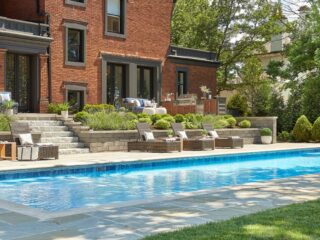
- Durable surfaces around patios, pools, and outdoor kitchens
These routes should feel natural and easy to follow. When paths align with daily movement, the surrounding landscape experiences less stress.
Think About Maintenance From the Start
High traffic areas need regular upkeep to stay safe, attractive, and functional. A landscape that looks good after installation should also support efficient maintenance over time.
Maintenance planning may include pruning schedules, mulch refreshes, turf care, seasonal cleanup, irrigation checks, and hardscape inspections. Commercial properties may also need routine debris removal and attention to entrances or customer-facing areas.
Design for Safety and Accessibility
High traffic landscapes should support safe movement throughout the property. Uneven surfaces, poor lighting, loose materials, and narrow routes can create avoidable issues.
Walkways should provide stable footing and enough width for expected use. Lighting also plays an important role in busy areas. Path lights and patio lighting can improve visibility while supporting the overall landscape design.
Use Landscape Features to Guide Movement
Landscape elements can guide traffic flow without making a space feel restricted. Plant beds, seat walls, containers, lighting, and hardscape borders can direct movement while improving the appearance of the property.
For residential landscapes, these features can help separate play areas, garden beds, and more. For commercial properties, they can guide visitors from parking areas to entrances and define outdoor gathering zones. Consider a residential and commercial landscaping company to help maximize these design benefits.
Work With a Professional Landscaping Team
High traffic areas place extra demands on landscape design and maintenance. A professional team can evaluate site conditions, recommend durable materials, improve drainage, and create a layout that supports real daily use.
Vizmeg Landscape brings extensive experience in residential design build and ongoing maintenance. Our team helps property owners create outdoor spaces that look polished, function well, and stand up to regular activity. For help planning a durable, attractive landscape for high traffic areas, contact Vizmeg Landscape to schedule a consultation.
Leave a Reply